Live translation and captions — run from Australia, Europe and the United States
SpanVoice Try it free

Setup guide

Teach the translation your names and terms before the event.

Names, local places and specialist terms can come out incorrectly in live translation. Add them to the venue’s glossary before the event, then test them with the speakers. This guide explains which list to use and how to check the next spoken result.

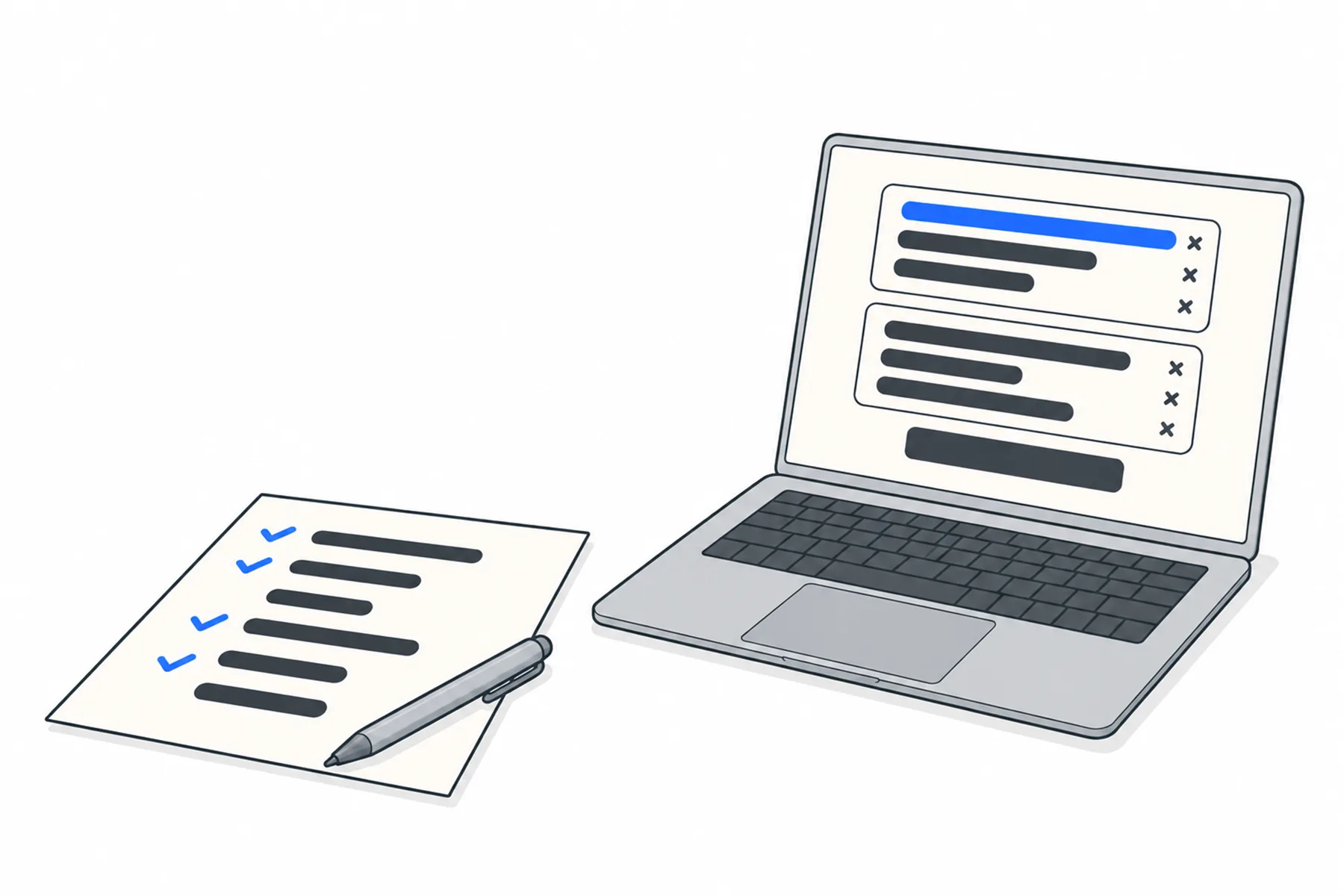
A running-order sheet with ticked lines and a pen lies beside a laptop showing two stacked lists of short rows.

Where the glossary fits

The glossary belongs to the venue. It is set up in the portal before the event and applies as soon as you save, so you can also fix a word while the event is running.

Speaker says a name
Venue glossary names and wording
SpanVoice
Reader every language
Each spoken language has its own names list, which serves all the languages the venue translates into.

Teach it your names and terms in six steps

A few minutes, mostly before anyone arrives.

  1. Collect the words the event depends on

    Walk through the running order and write down the words that must come out right in front of the room:

    • the names of the people who will speak or be thanked;
    • place names, including local suburbs and streets;
    • the name of the organisation, the venue and the event;
    • programme, department and project names;
    • any title or term of art that your organisation says a particular way.

    Most events need a handful, not a dictionary. Names are the usual problem, because a name can be heard as the nearest everyday word.

    Speaker says a name
    Venue glossary names and wording
    SpanVoice
    Reader sees the name as written
    The glossary belongs to the venue, so it applies to every event run there.
  2. Check the basics before you add anything

    If whole sentences are garbled and not just the odd word, check the spoken language and the sound before changing the glossary. In the desk app look at the tiles under Spoken in the room, or the Language tab on the moderator page. The chosen tile should be the language actually being spoken. Name that one language. Any language is for when you do not know what is coming. Then listen to the audio reaching the app: background noise, overlapping voices or distorted sound can also make speech hard to recognise.

    Then check the venue’s kind of room on its Settings tab. General, Worship, Business and Education change the everyday wording the translation uses, and Education keeps subject vocabulary. Pick the one that fits most of your events. The glossary works on top of that.

  3. Add the names to listen for

    Sign in to the portal, open the venue and choose the Glossary tab. Under Names to listen for, choose the language under Spoken in the room (it starts as the venue’s usual spoken language). Enter each name using its correct spelling and press Add. Duplicates are ignored.

    Each spoken language has its own names list, and that list serves all the languages the venue translates into. When the list gets long, a Filter box narrows it, and the × beside an entry removes it.

    Do this list first. If a name keeps coming out wrong, check whether it is already wrong in the text of what was heard (the venue’s Transcripts tab shows it) or only in a translation. Use Names to listen for for a name that is not recognised, and Wording when what was heard is correct but the translated term is unsuitable. Nothing under Wording can fix a word that was not heard.

    Add the names of the people who will speak and the places they will mention before anyone arrives. It takes a few minutes.

  4. Add wording for terms that translate oddly

    Use Wording only when the word is heard correctly but translated in a way your organisation does not use: a job title, a programme name, a phrase you say a particular way.

    Choose Spoken in the room and Translated into at the top of the tab. The list belongs to that pair of languages, so a different pair has a different list. Put the word as said on the left and the exact wording you want on the right, then press Add. Adding a word that is already there replaces its wording.

    To bring in many pairs at once, open Add a list and paste one pair per line, the spoken word first, with a tab between the two (the safest choice, especially if either phrase contains a comma). An arrow (→ or ->), a vertical bar or a comma also work. You can add up to 500 at a time, and a summary shows what will be added, changed or skipped before you press Add them. There is no export, so keep your own copy of a long list.
  5. Add context for the room

    Some things are true of the room in general and are not word-for-word replacements: who usually speaks, where you are based, turns of phrase that come up. Put these as a few plain sentences in Anything else the translator should know on the venue’s Settings tab. It takes up to 2,000 characters.

    This field is context. If a particular word should always come out a particular way, use Wording. A Worship venue also has a Sacred text edition field that gives context about which edition is quoted.

  6. Test with the real speakers, and fix as you go

    Run a few minutes before the day with whoever will speak, and open the audience link on your own phone. Read the names in a language you can check. Every glossary change applies straight away, including during an event. Nothing needs restarting, though lines already on screen are not rewritten, so look at the next time the word is said.

    On the day, a moderator can add or remove names and wording from the moderator page, and the change appears in the glossary. After a few events, Heard in your sessions offers words from your own events that look like names, with a count of how often each was said. They are guesses. Click the ones that really are names and ignore the rest.

Which list fixes which problem

Names first. Most venues never need more than a handful of wording pairs.

What you seeWhat to useWhat it does
A name comes out as an ordinary wordNames to listen forHelps recognition identify the name when it is spoken.
A term is heard right but worded oddlyWording, for that pair of languagesSpecifies the wording you want used in that target language.
Background about the room or the speakersAnything else the translator should knowGives background about the venue and speakers. It is not a replacement list.
Whole sentences garbledThe spoken language and the soundCheck the language being spoken and the audio reaching the app first.
A word shows as a first letter and dashesStrong language settingThat is the Mask it choice, not an error. See the venue’s Settings tab.

Troubleshooting names and terms

Work out which list you have before changing anything.

A name is still wrong after adding it

Check it is spelled the way it is said, and that you added it under the spoken language the room is actually using. Each spoken language has its own list. If the name is on the list and still comes out wrong, check whether it is already wrong in the text of what was heard, and whether the audio reaches the app clearly.

A wording pair is not applied

The list belongs to one pair of languages. Check the Spoken in the room and Translated into choices at the top match the pair you are running, and that the word on the left is written as it is said.

The change does not show on screen yet

Changes apply straight away, but lines already on screen are not rewritten. Look at the next time the word is said.

The Heard in your sessions panel is empty

Suggestions appear after a few sessions, once your venue has said a word more than once. Until then, add names yourself.

A pasted list skipped some lines

Each line needs a separator between the two words: a tab, an arrow, a vertical bar or a comma. Lines without one are skipped, and so is anything past 500. The summary above the button shows the counts before you add.

I lost a long list

There is no export from the glossary, so keep your own copy of any long list you paste in.

A word is shown as a first letter and dashes

The venue’s Strong language setting is Mask it. That is not an error and the glossary does not change it.

Whole sentences are garbled

Check the spoken language and the sound first. Choose the language actually being spoken in the desk app or on the moderator page, and listen to the audio reaching the app: noise, overlapping voices or distortion make speech hard to recognise.

Still unsure

Questions about names and terms

Send us the list of names for your event and we will tell you where each one goes.

Talk to us

How many names should I add?

The ones that matter to the room: the people who will speak or be thanked, the places they will mention, and your organisation’s own names. Most events need a handful, and a few minutes with the running order is enough.

Does the glossary guarantee the right word every time?

No. It helps with names and terms, which are the words that fail most often. The translation is still made by machine, and the accuracy notice says what that means.

Do I need to stop the event to change it?

No. Changes apply straight away, including during an event, and nothing needs restarting. Lines already on screen are not rewritten.

Is the list per language?

Each spoken language has its own names list, and that list serves all the languages the venue translates into. Wording is one list for each pair of spoken and translated language.

Can someone else fix a word during the event?

Yes. A moderator can add and remove names and wording from the moderator page on a phone or tablet, and the change appears in the venue’s glossary.

Is the glossary the place to deal with swearing?

No. That is the venue’s Strong language setting, which can remove a word, mask it or leave it as said.

Add your names, then listen for them.

The free credit lets you rehearse with your own speakers. No credit card needed.

A$10 of free credit when you sign up, no credit card needed. Credit never expires — use it this week or next year.